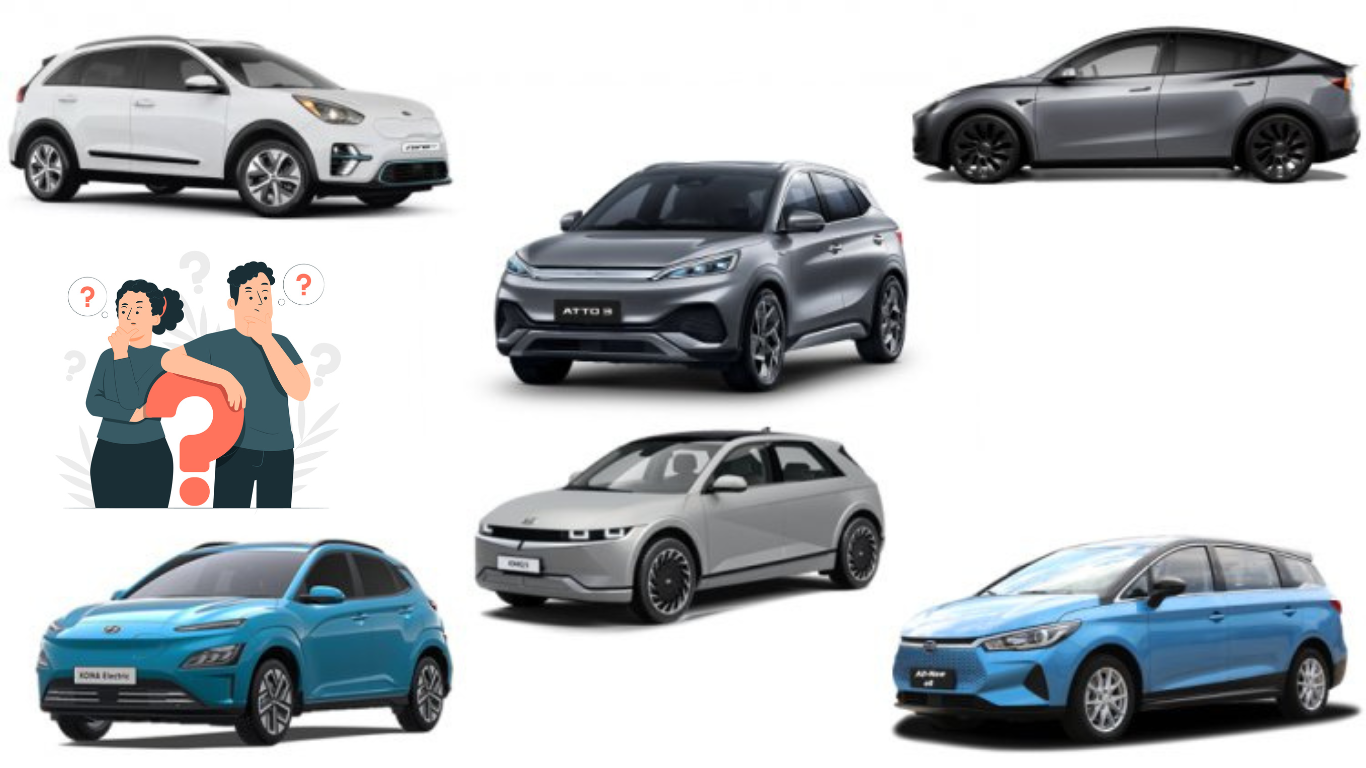
Electric vehicles (EVs) are rapidly gaining popularity in Nepal as more drivers seek cost savings, modern technology, and eco‑friendly transport. However, buying an EV isn’t just about choosing the model — several important factors can impact your satisfaction, costs, and long‑term experience. This guide walks you through the key things to consider before buying an EV in Nepal so you can make an informed decision.
1. Understand Government Policies & Incentives
One of the biggest advantages of buying an EV in Nepal is the government incentives. These often include reduced customs duties, lower VAT, and reduced registration fees to make EVs more affordable. Knowing these incentives — and any upcoming policy changes — can help you estimate the true cost of ownership.
2. Evaluate Charging Infrastructure in Your Area
Before choosing an EV, check the availability of charging stations near your home, work, and routine travel routes. While Nepal’s EV charging network is expanding, public chargers are still limited outside urban centers. You may also need to consider installing a home charger for convenience and daily use.
3. Battery Range, Life & Warranty
The battery is the heart of any EV — and battery capacity directly affects how far your car can travel on a single charge. When researching models, consider:
-
Daily travel needs and real‑world range
-
Battery life and degradation over time
-
Warranty terms for the battery and drivetrain
A longer range and better warranty often mean greater peace of mind for everyday use.
4. After‑Sales Service & Maintenance
EV technology is still relatively new in Nepal, so service availability matters. Before you buy:
-
Check if authorized service centres exist nearby
-
Ask if trained EV technicians are available
-
Ensure genuine spare parts and software support are offered
Good after‑sales service can significantly reduce your long‑term hassles.
5. Price vs. Long‑Term Savings
EVs typically cost more upfront than petrol or diesel cars, but often deliver lower running costs due to cheaper electricity, fewer moving parts, and less frequent servicing. Evaluate:
-
Upfront purchase price
-
Fuel vs. electricity cost savings
-
Maintenance and insurance expenses
Analyzing these factors over time can reveal significant long‑term value.
6. Performance, Features & Comfort
Compare EV models based on performance features like:
-
Acceleration and handling
-
Safety features (ABS, airbags, stability control)
-
Comfort and infotainment systems
-
Ground clearance (important for Nepal’s varied road conditions)
Choosing a vehicle that meets both your performance expectations and daily needs ensures a satisfying ownership experience.
7. Brand Reputation & Owner Reviews
Don’t just rely on marketing — read owner reviews, expert opinions, and reliability ratings. Some brands are better supported in Nepal with strong dealer networks and responsive customer care. A trusted brand often means better resale value and fewer surprises down the road.
8. Imported vs. Locally Assembled EVs
In Nepal, EVs are available as fully imported units or locally assembled models. Each option has pros and cons:
-
Imported EVs may offer advanced features and warranties.
-
Locally assembled EVs might have easier access to parts and service.
Understanding these differences helps you buy the best option for your budget and needs.
Buying an EV in Nepal can offer long‑term financial savings, lower emissions, and modern driving comfort — but it requires careful research. Evaluate the charging infrastructure, battery range, cost considerations, service network, and government incentives before making your decision. With the right information, you can confidently choose an EV that fits your lifestyle and budget.
If you want to check out similar posts then click here.


The website design looks great—clean, user-friendly, and visually appealing! It definitely has the potential to attract more visitors. Maybe adding even more engaging content (like interactive posts, videos, or expert insights) could take it to the next level. Keep up the good work!
Thank you for your sharing. I am worried that I lack creative ideas. It is your article that makes me full of hope. Thank you. But, I have a question, can you help me?
Can you be more specific about the content of your article? After reading it, I still have some doubts. Hope you can help me. https://www.binance.info/register?ref=IXBIAFVY